Believe Your Staff. Always.
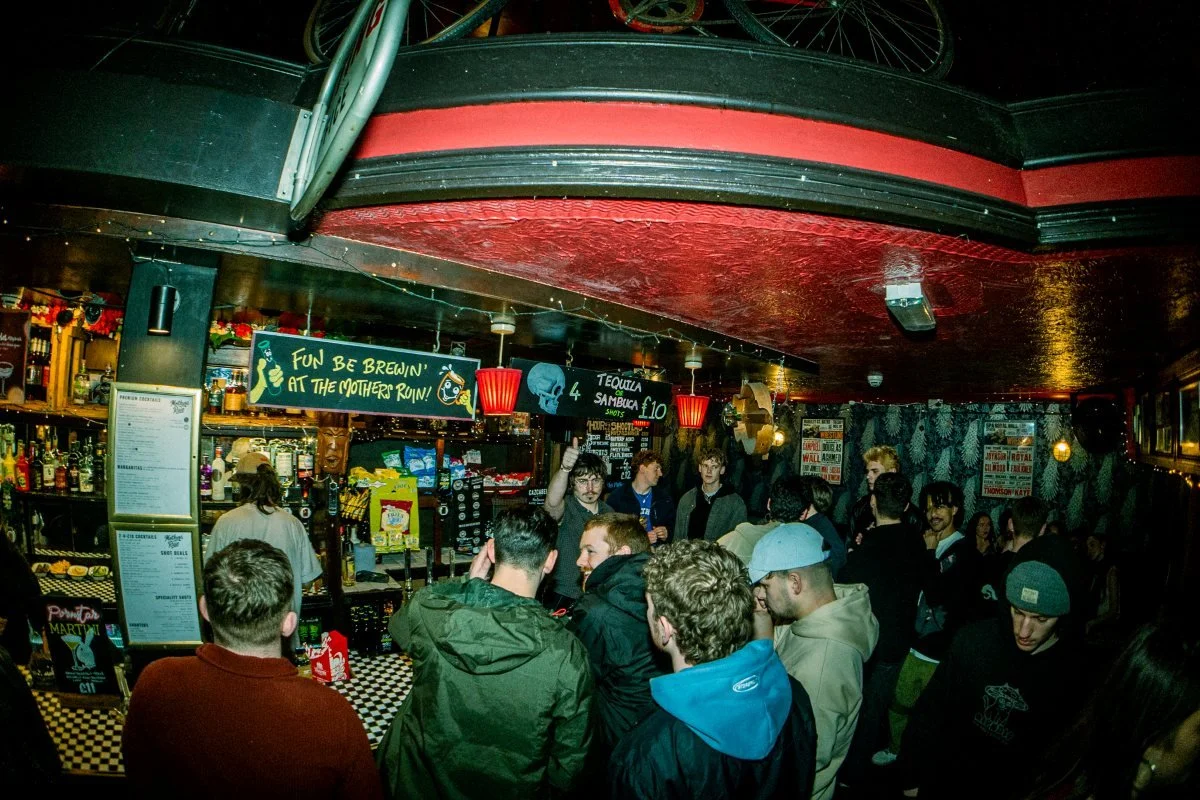
Most nights in a pub are beautifully uneventful. Drinks get poured. Music plays. Someone laughs too loud. Someone cries in the toilets. Glass breaks. Life carries on.
Hospitality is built on that rhythm. Controlled chaos. Human mess, contained just enough to feel safe.
And then, once in a while, the unthinkable happens.
Not a row. Not a scuffle. Something darker. Someone crosses a line that should never be crossed. Someone is assaulted, threatened, cornered, humiliated. And suddenly the room changes. The music feels too loud. The lights too bright. Everyone knows something has shifted.
What happens next is everything.
Because in that moment, the job stops being about beer, or service, or margins, or reputation. It becomes about people. About whether the place you run is actually safe, or whether it just pretends to be.
Here is the rule, and it is not complicated: when an incident involves your staff, you believe your staff.
Not “we’ll see.” Not “let’s hear both sides.” Not “let’s wait and find out.” You believe them.
This isn’t about playing judge or jury. This isn’t about declaring guilt or running a trial behind the bar. This is about understanding that a pub is a workplace, not a courtroom, and your first responsibility is to the people who show up every day to make it run.
Believing staff doesn’t mean you know exactly what happened in every detail. It means you act as if their safety matters more than your discomfort. It means you remove the risk immediately. You take the accused out of circulation. You create distance. You make the space safe again.
There is no such thing as “innocent until proven guilty” in pub operations. That principle exists to protect people from the power of the state. It does not exist to protect a customer’s right to keep drinking while someone behind the bar is shaken, scared, or traumatised.
The risk calculation is brutally simple. If you’re wrong about a customer, the worst-case scenario is a bit of lost trade and some awkward conversations. If you’re wrong about your staff, you’ve told them their safety is negotiable. You’ve told them they are on their own.
You’ve told everyone watching exactly who you are.
And everyone is always watching.
The pub is not neutral ground. It never has been. The idea that everyone gets equal standing in that moment is a fantasy, usually deployed by people who’ve never had to work a late shift wondering whether their boss will back them if things go bad.
Your staff need to know - without hesitation, without doubt - that if something awful happens, the business is on their side. That they will be believed. That they will be protected.
That no one will ask them to “just get on with it” for the sake of avoiding trouble.
That trust, once broken, never comes back.
This doesn’t mean acting in the shadows or covering anything up. Quite the opposite. You cooperate fully. You preserve CCTV properly. You give statements. You work with the authorities. You don’t hedge or soften or blur the edges to make life easier.
And let’s be honest with ourselves for a moment. When incidents escalate to the police, it is very rarely because someone overreacted to nothing. Assault in hospitality is not some theoretical risk. It happens. And it happens far more often to staff than anyone wants to admit.
Where things go truly wrong - where reputations rot slowly from the inside - is when operators decide, consciously or not, to protect the wrong person.
When they tell themselves it’s complicated. When they say the customer’s been coming in for years. When they worry about the optics. When they quietly let someone back through the door because banning them feels uncomfortable, or costly, or socially awkward.
That decision hangs in the air long after the incident itself. Staff feel it. Regulars feel it. The town feels it.
Because a place that allows someone accused of serious harm to return is not staying neutral. It has chosen a side. And it’s not the right one.
Safe spaces aren’t created by slogans or social media posts. They’re created by hard decisions, enforced consistently, especially when it would be easier not to. They’re created by drawing a line and holding it, even when it costs you a bit of money or a bit of face.
If you run a pub and you want people to feel safe inside it - staff and customers alike - this is the standard. When the worst happens, you believe your staff. You remove the risk. You cooperate fully. And you do not invite the danger back in.
Hospitality is already a tough enough way to make a living. Long hours. Low margins. High emotional load. No one should have to feel unsafe doing it.
And if you’re not prepared to protect your people when it really counts, then you’re in the wrong business.