Every Hospitality Business Has a Stock Room Full of Lies
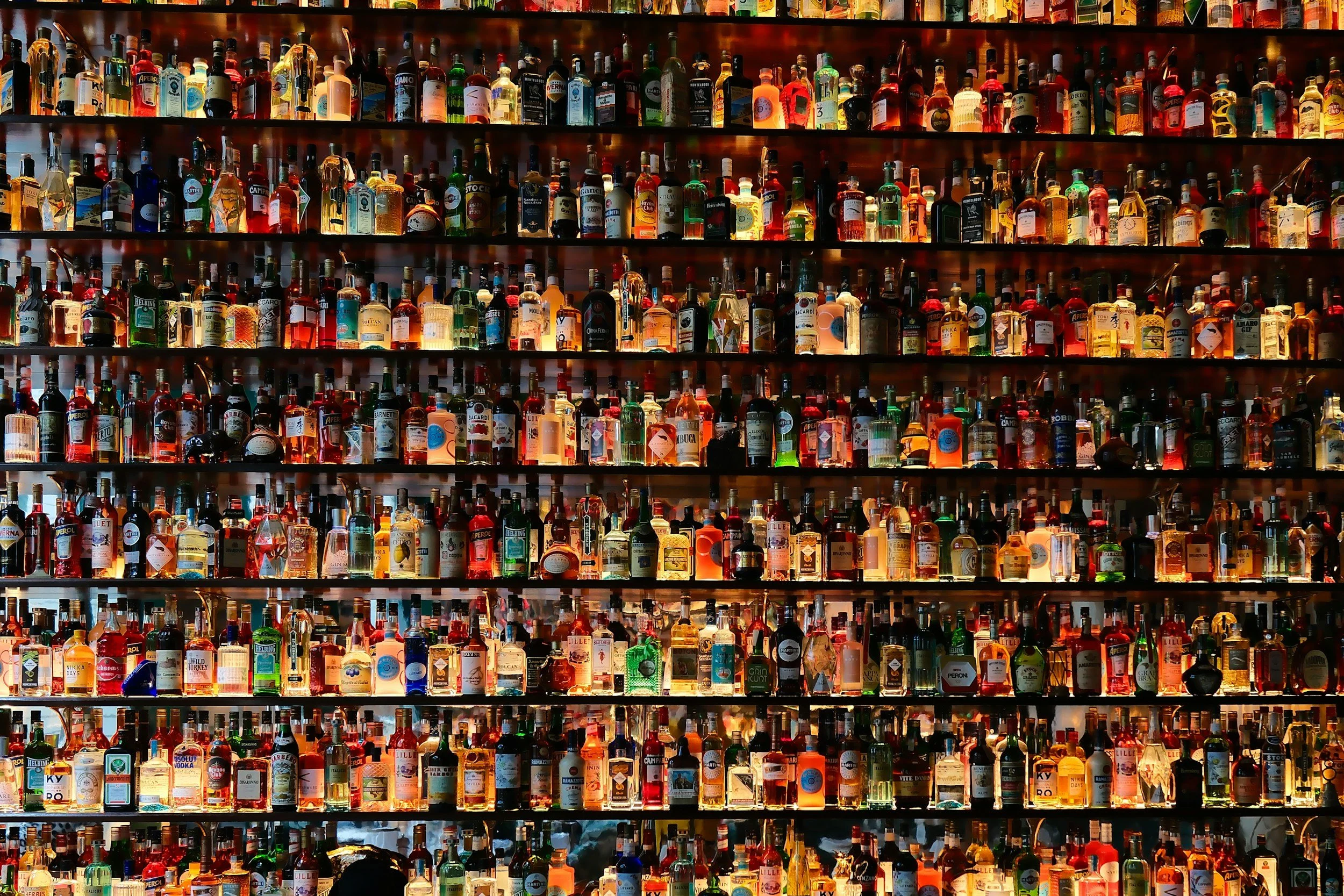
The optimism hidden in every stock room
There is a particular kind of optimism that only exists in hospitality stock rooms.
Open the wrong cupboard in almost any venue and you will find it. Half a case of something nobody has sold since last summer. Three bottles of a spirit nobody remembers ordering. Six different cleaning products that all apparently do different jobs. Seasonal garnish that never had a season. Boxes labelled useful. Shelves labelled miscellaneous. Enough dry stock to survive a mild apocalypse and somehow absolutely no burger sauce.
Nobody intended this.
Nobody walked into work and said today I am going to quietly destroy margin one cardboard box at a time.
It happens because stock feels safe.
Stock feels responsible.
Stock feels like preparedness.
How good intentions become expensive habits
The owner remembers running out of something once and swears never again. The chef remembers a nightmare weekend and orders heavy. Somebody gets offered a deal. Somebody is worried about lead times. Somebody thinks buying more means paying less.
Then one day you look around and realise your business has become a museum of old decisions.
The invisible profit hiding in stock control
Hospitality people love talking about sales because sales feel exciting. Nobody gets animated about stock turns. Nobody posts a celebratory video saying look at this brilliantly lean inventory position. But hidden in those boring conversations is usually more profit than in the next ten thousand followers.
The dangerous thing about stock is that it does not feel like spending.
You buy a pallet and your brain says asset.
Your bank account says something else.
Cash disappears but because the goods still physically exist people convince themselves they still have the money.
You do not.
You converted cash into risk.
Now you have to protect it, rotate it, count it, move it, insure it, manage it and eventually explain why half of it became waste.
The sophisticated ways businesses hide inventory problems
Some venues become astonishingly sophisticated at hiding this from themselves. They celebrate strong weeks while freezers fill up. They negotiate supplier discounts while ordering things they do not need. They obsess over labour percentages while sitting on enough dead stock to pay for another person.
I have seen operators spend hours negotiating pennies on purchase price while thousands quietly die in storage.
When stock becomes emotional
There is another lie hidden inside stock rooms and this one is more cultural.
Stock becomes emotional.
People become attached to products because they chose them. Menus stop evolving because somebody fought to get an item listed. Suppliers become protected because of relationships. Entire categories survive because removing them feels like admitting a mistake.
Meanwhile customers moved on months ago.
The operators who understand the value of less
The best operators I know treat stock with almost ruthless honesty.
If it does not move they question it.
If it does not earn its space they remove it.
If it exists only because of habit they challenge it.
Not because they are cold but because space itself has value.
Every shelf has rent.
Every fridge has opportunity cost.
Every line on a menu asks something of your team.
Good businesses are not usually the ones that carry the most.
They are often the ones brave enough to carry less.
The freedom of intentional inventory
There is a strange freedom in opening a stock room and knowing almost everything inside it has somewhere to go.
That does not mean running out all the time.
It means being intentional.
Because hospitality is difficult enough without spending your energy managing inventory built for a version of your business that no longer exists.
The question every operator should ask
So next time you walk into the stock room do not ask what needs ordering.
Ask what story each shelf is telling.
You might discover you are not holding stock at all.
You are storing old assumptions.
And old assumptions are expensive.