The Door Is Not the Enemy (Unless You Make It One)
Security in this industry is like old plumbing - essential, mostly invisible, and absolutely catastrophic when it bursts. You don't think about it until your ankles are wet and someone’s bleeding on the linoleum.
We’ve had some horror stories. One firm ran with us for fifteen years. Solid guy owned it - decent, old-school, ex-military type with a handshake like a bear trap. But over time, he stopped showing up. What we got instead were barely-legal mannequins in bomber jackets - the kind of crew that looked like they’d failed the audition for background thugs in a Guy Ritchie film.
And that was before it got dark.
When the Door Becomes a Barrier
By the time we binned that crew, we’d already brought in another. Supposed to be better. New blood. What we got was the same old shit in a different jacket - this time with added entitlement and a dash of paranoia.
They stood on the door like they were guarding a hostage, scanning IDs like CIA agents, barking questions at punters who just wanted a pint and a shot of something stupid. Regulars were treated like suspects. Strangers were treated like intruders. And the staff? They walked in every shift like they were entering a courtroom.
It wasn’t a pub anymore. It was a checkpoint with beer.
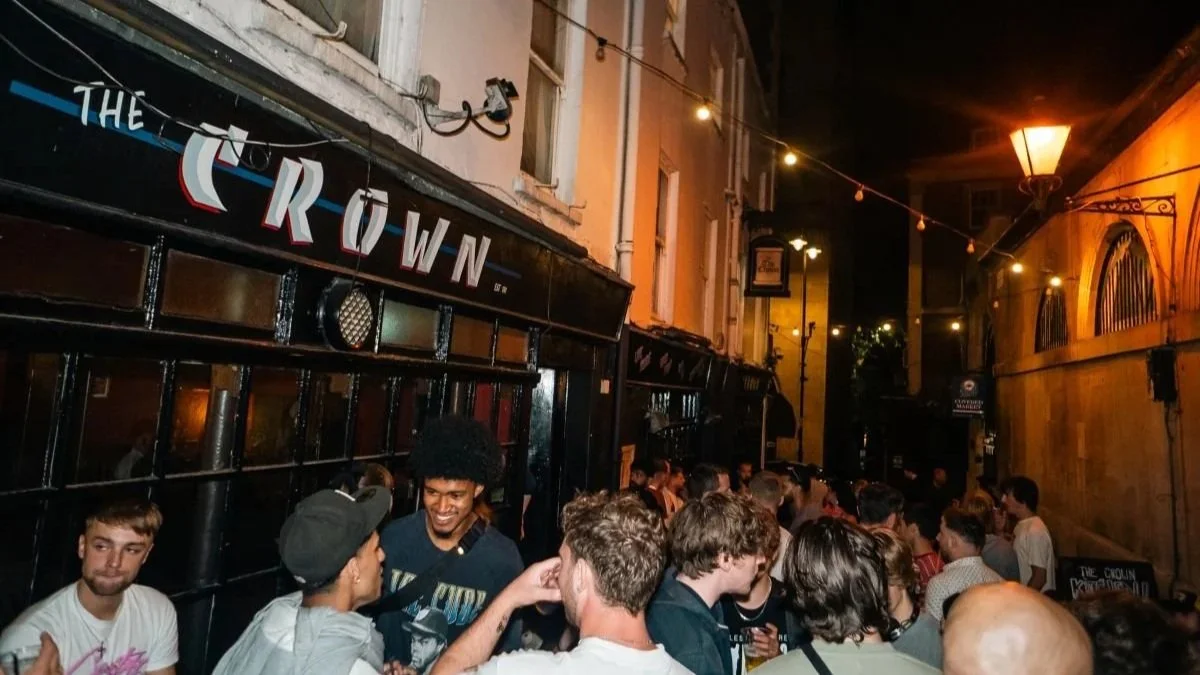
The upstairs was just a pub. The downstairs a 330 cap venue. Loud, sweaty, beautiful when it worked - felt like a warzone. All anyone wanted to do was dance, get messy, fall over a little, and wake up half-ashamed and fully dehydrated. That’s it. That’s the job. But we made it feel like trying to sneak into North Korea.
And it wasn’t just them. It was us too. Panic culture. Managers operating like doomsday preppers, always braced for the apocalypse. Everything felt like it was one spilled drink away from kicking off. The energy was wrong. Tight. Nervous. People could feel it before they even crossed the threshold.
Culture Starts at the Door
Because that's the thing: you build the culture from the door in. That first interaction - the nod, the scan, the pat-down, the vibe - that’s the first line of theatre. And if your doorman plays the role like he’s auditioning for Line of Duty, guess what? You’ve just started a drama, not a night out.
One mystery shopper, part of a third-party audit group we hired to keep our own bullshit in check, put it better than I ever could:
“Harder to get into The Crown than through airport security.”
That one stung. Not because it wasn’t true. But because it was exactly true. We’d built a fortress no one wanted to visit.
And it cost us. Hard.
Turnover collapsed like a drunk on a fire escape. Pub trade flatlined before midnight. We blamed everything: the economy, the council, Mercury in retrograde - but the rot started at the door. We were the problem. And security was the sharp end of the mistake.
Hospitality Isn’t Law Enforcement
You get into this business thinking you’re building a sanctuary. A place to belong, drink, maybe fall in love or at least into a booth for a bit. But if the first thing a punter sees is a hostile glare and a clipboard, they’re not going to feel welcome - they’re going to feel processed.
Hospitality is not law enforcement. It’s not a safety drill. It’s not your job to prevent fun.
It’s your job to host it.
That means security who smile without being soft. Who watch without looming. Who can read a situation like a seasoned dealer reads a poker table - not like they’re waiting for a fight so they can finally justify their hourly rate.
We've had good ones. Legends, even. Quiet professionals who know how to kill a vibe killer without killing the vibe. But they’re rare. Mostly, you get egos in earpieces. Blokes who love the power more than the people. And you give them a badge, a radio, and no oversight? You just handed the tone of your venue to the worst actor in the building.
Changing the Script
So we changed the script.
Stripped the numbers back. Shifted the posture. Binned the intimidation and brought in intent. Told the bar team, “You’re not soldiers. You’re hosts. Act like it.” Told the door crew, “If you can’t blend in, you can’t work here.” Told the managers, “You want to be in charge? Then stop reacting to every Friday night like it’s a hostage negotiation.”
And it worked. Slowly. Painfully. But it worked.
People stopped flinching on entry. Staff stopped whispering in panic. And the place started to feel like what it was meant to be - a bar, not a barracks.
There’s a truth we all learn too late in this business: a good night out is delicate. You don’t protect it by treating everyone like a criminal. You protect it by making them feel safe without noticing they’re being protected.
Do that, and they’ll come back.
Fail, and you’ll watch your bar die - one suspicious glance, one unnecessary search, one cold shoulder at a time.
And no amount of security will stop that.