The Maths of Running a Bar
(And Why the Law, Labour, and Reality Grind You Down)
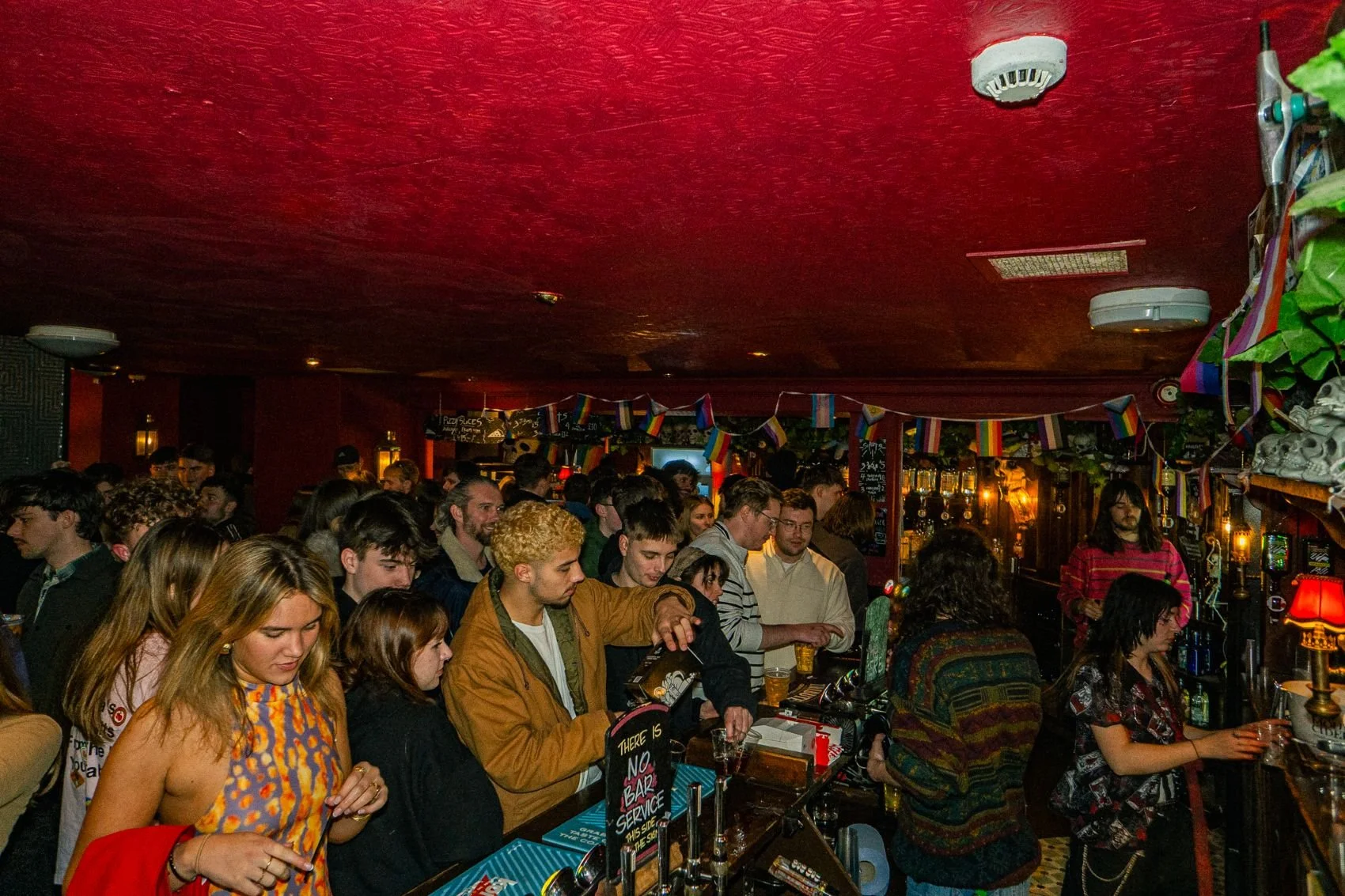
Let’s start with the most common lie in hospitality.
“My bartender costs me £13.50 an hour.”
They don’t.
You pay them £13.50.
They cost you closer to £17–£18 once you add tax, pension, holiday pay, uniforms, training, and admin.
That’s the real number. Everything else is fiction.
Bars Are Not Cafés
Now here’s where bar maths gets brutal.
A café can sometimes limp along with one person on the floor.
A bar can’t.
Even a small bar needs:
Multiple bartenders
Someone clearing glass and managing the floor
A duty manager or supervisor
Cover for breaks, incidents, and compliance
At peak, you’re easily into 4–6 staff just to function safely and legally.
You don’t staff for the average hour.
You staff for the moment it goes wrong.
That alone pushes your minimum viable turnover far higher than most people expect.
Licensing and Fixed Costs
Now add licensing.
Bars don’t just sell drinks - they sell risk.
Cameras.
Training logs.
Incident books.
Refusals registers.
Noise monitoring.
Capacity limits.
Challenge 25.
And if you trade late, the costs multiply.
Security becomes non-negotiable.
Door staff don’t flex with trade.
You don’t send them home early.
They’re a fixed cost - £12–£18 an hour per person - who don’t sell a single drink. Their job is simply to stop you being shut down.
Cafés don’t carry that line in their P&L.
Bars do.
Flying or Falling
Put it all together and the numbers get ugly fast.
A modest wet-led bar with:
4–5 staff on peak
Security
A manager
Needs £300+ an hour in turnover just to stop bleeding.
At £5.50 a drink, that’s 55 drinks an hour.
One drink every 65 seconds.
Sustained.
With drunk people, glassware, tills, toilets, and pressure.
And that’s just to stand still.
Miss a Friday.
Have a quiet Saturday.
Get hit with rain, rail strikes, football on TV, or a licensing complaint.
The losses don’t average out - they compound.
This is where wet-only bars become dangerously exposed.
Alcohol margins look good on paper, but they’re fragile:
Duty is fixed
Labour is unavoidable
Waste is invisible
Risk increases as the night goes on
Now compare that to wet + food.
Food and Diversification
Food is operationally annoying.
It brings training, wastage, and inspections.
But it does one vital thing:
It raises average spend without increasing risk proportionally.
A £12 burger alongside a £6 pint:
Uses existing labour
Slows drinking pace
Improves licensing optics
Softens intoxication
Buys time
Food stabilises bars.
Not because it’s glamorous - because it gives elasticity.
Wet-only bars have none.
They’re either flying or falling.
Why Busy Isn’t Safe
Here’s the most dangerous misconception in bar ownership:
“If it’s busy, we’re fine.”
Wrong.
Bars often lose money at their busiest:
Peak staffing
Security costs
Higher breakage
Increased wastage
Higher incident risk
Busy nights are expensive nights.
If your model can’t survive quiet weeks, busy ones won’t save you.
Defence Mechanisms for Bars
There are exceptions.
Small specialist bars with:
Tight hours
Minimal staffing
No late trading
Strong identity
They survive by avoiding risk, not by beating the maths.
Everyone else needs defence mechanisms:
Food
Bundles
Shots
Buckets
Events
Daytime trade
Anything that increases spend without increasing headcount.
Why Bars Really Close
Bars don’t close because nobody came.
They close because:
Labour crept
Licensing tightened
Security became mandatory
One bad month wiped the buffer
And the owner got tired of pretending the numbers would sort themselves out
Hospitality isn’t vibes.
It’s regulated risk management with a playlist.
And the maths does not care how good your bar looks at midnight.