You Can’t Scale Chaos (Even If Chaos Built the Business)
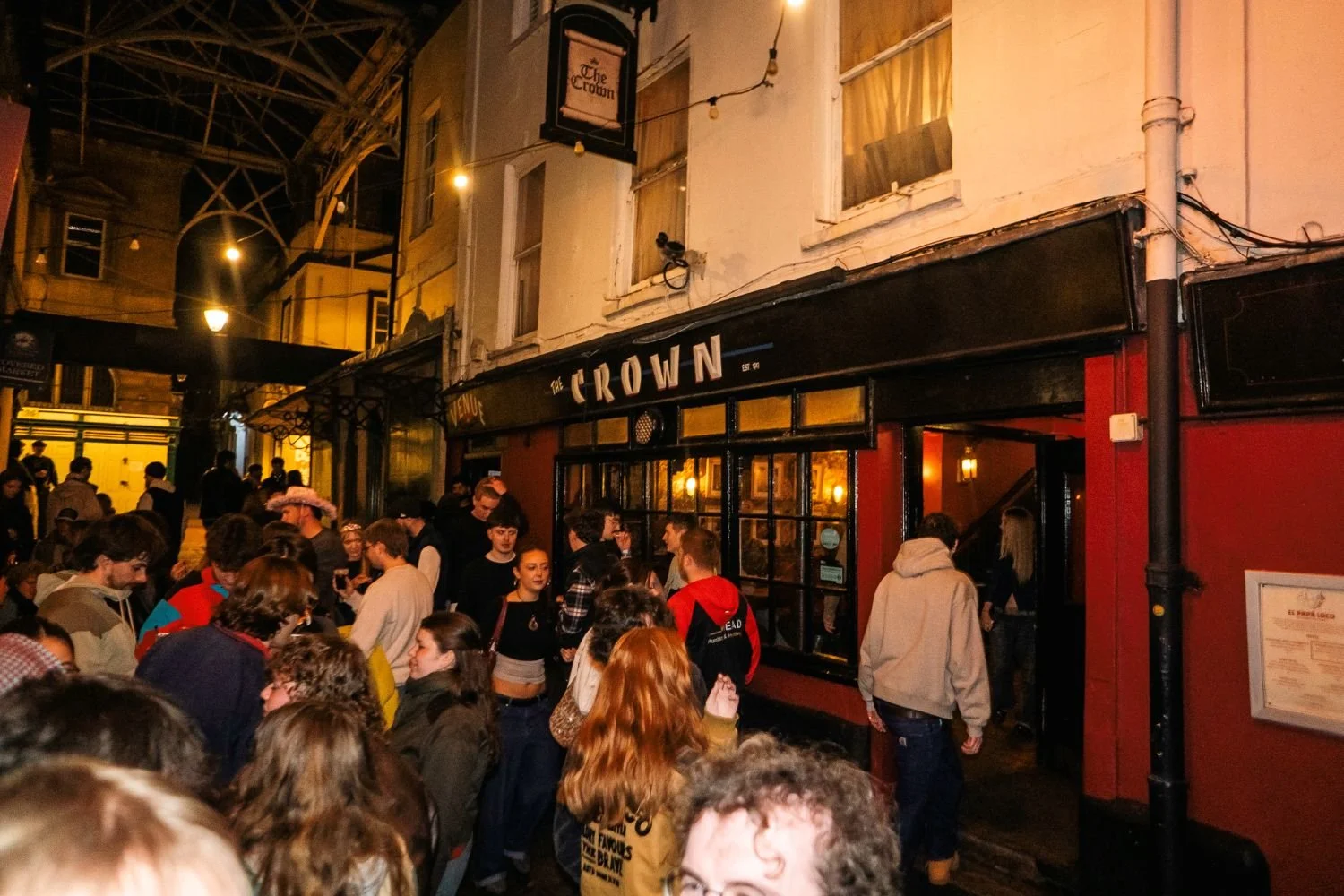
There is a phase in almost every hospitality business where chaos feels like a superpower. The owner knows everything: every supplier, every staff member, every customer, every weird sound the cellar makes, and every little trick that keeps the place moving. Problems get solved by instinct, rotas get changed in the car park, deliveries get moved with a quick text message, and marketing is whatever somebody remembers to post. Somehow, the whole thing works—it works because the founder is the system.
People romanticise this stage because it feels alive, entrepreneurial, and full of hustle. Operators tell stories about sleeping in offices, working eighteen-hour shifts, and taking calls from the stockroom while changing a barrel and serving table twelve. Truthfully, it is intoxicating because it gives you the illusion of being completely indispensable.
The Illusion of a Functioning Business
Then one day, you open another site, launch another brand, or buy another business—and suddenly, the magic disappears. This doesn't happen because the operator became worse, the market changed, or staff stopped caring. It happens because the business was never actually working in the first place; you were.
There is a painful moment for growing operators when they realise their business only functions because they are physically standing in the middle of it, making thousands of invisible decisions every week:
The beer order only arrives because you remembered to place it.
Payroll only runs because you chased it up.
Marketing only happens because you got annoyed.
Standards only exist because staff know you might walk through the door.
That is not a business; that is performance art. And performance art does not scale.
When Chaos Turns From Momentum into Drag
Hospitality naturally rewards heroic behaviour. We celebrate the owner who jumps behind the bar, the manager who covers sickness, or the chef who works sixteen days straight, because they save the day. But there is a massive difference between saving the day and building something that survives without you. At first, chaos creates momentum because decisions happen instantly, allowing you to move faster and adapt quicker than bigger businesses. Then scale arrives, and that same chaos turns into drag.
As you expand, nobody knows who signs things off, and standards drift because they live entirely inside someone's head. Managers make conflicting decisions, suppliers receive mixed messages, and meetings multiply because information no longer travels naturally. Every new site feels significantly harder than the last. Owners often react by trying to exert more control—working longer hours and increasing their personal involvement—which works for about six months until growth starts feeling deeply disappointing. Revenue goes up, but stress goes up even faster, leaving you with double the turnover and half the enjoyment.
Retiring the Heroics to Make Excellence Repeatable
That is usually the moment you discover that systems are not bureaucracy; systems are memory. They are decisions made once instead of fifty times, culture written down, and the foundation of trust. Good operators eventually stop asking, "How do I keep control?" and start asking, "How do I make sure the right thing happens when I am not there?" That shift changes everything, because scaling is not simply building more sites—it is making excellence repeatable.
The ultimate irony is that the very personality traits that built the business are often the exact things holding it back:
You cannot grow if every answer still has to travel through one person.
You cannot build leaders if everyone is constantly waiting for permission.
You cannot create a multi-site group if every venue is really just your latest shift.
Chaos probably got you to where you are today. Respect it, thank it, and then retire it. Because businesses built on heroics eventually run out of heroes.