You Don’t Own a Pub. You Own a Machine That Turns Energy Into Money
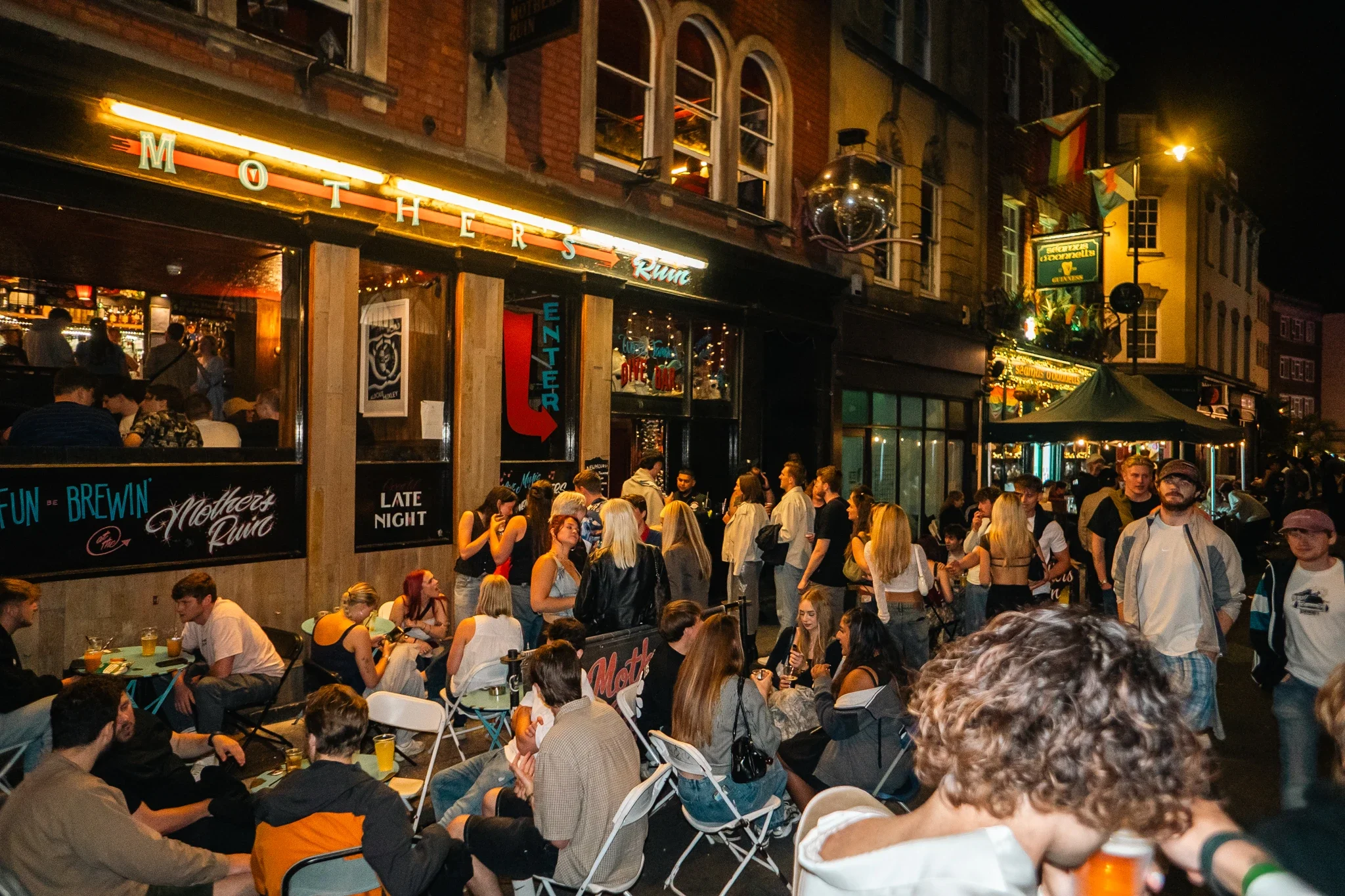
People do not get into hospitality because they love systems. Nobody sits in a school classroom imagining one day they will optimize bar layouts, reduce unnecessary movement, and develop opinions on glass wash cycles. People get into this trade because they fall in love with places. They remember a room that felt electric. They remember a meal that lasted all afternoon. They remember music, atmosphere, strangers becoming friends, and that strange feeling hospitality can create where a normal Tuesday somehow becomes memorable. That is the drug.
Discovering the Machine
Then you buy a venue and discover something uncomfortable. A venue is not magic; a venue is a machine. Not in a cold corporate sense, and not in a spreadsheet sense, but in a physical sense. People enter, bringing time, attention, emotion, and money. Your job is to convert those ingredients into experience efficiently enough that customers leave happier than they arrived and you still have enough margin left to open tomorrow. That sentence sounds less romantic than craft and community and authenticity, but unfortunately, the electricity company still expects paying.
Thinking Like an Engineer
Most hospitality problems become easier to understand when you stop thinking like a host and start occasionally thinking like an engineer:
Why does the queue form there?
Why are customers leaving after one drink?
Why does one bartender outperform another using the same tools?
Why does service collapse at exactly eighty percent occupancy?
Why does adding staff sometimes make everything slower?
These are not mysteries; they are mechanical failures.
Throughput Limits and Operational Excellence
Every venue has throughput limits whether it acknowledges them or not. Your kitchen can only produce so many covers. Your bar can only physically serve so many drinks. Your toilets can only absorb so many people. Your glass wash can only process so much demand. Ignore those limits and eventually your atmosphere starts leaking out through waiting times.
Customers do not usually say this place has poor operational flow. They say service was slow. They say it felt stressful. They say they will try somewhere else next time. Atmosphere is often operational excellence wearing a disguise.
The Invisibility of Effortless Service
The best hospitality businesses understand something that looks almost unfair from the outside: great service is usually invisible. Nobody notices the perfect prep list. Nobody notices smart stock positions. Nobody notices the bar setup or the rota structure or the way stations are organized. They only notice that somehow drinks appear quickly and the room feels easy.
That ease creates spending. People order another round, they stay for food, they recommend the place, and they come back. The machine quietly turns energy into money.
The Traps Bad Operators Fall Into
Bad operators often chase energy and ignore the machine. They add events, add products, add complexity, and add entertainment - all while the underlying system remains unchanged. That is like trying to win a race by painting flames on a broken car.
Eventually, reality arrives. Queues get longer, staff get tired, and margins disappear. Everybody says "we are busier than ever" while quietly making less.
Engineering the Magic
The operators who survive longest tend to become strangely obsessed with boring things: layout, training, movement, stock positions, and decision making. Not because they lost their love for hospitality, but because they realized the machine protects the magic.
Nobody comes back because you did a beautiful stock count, but they absolutely come back because their drink arrived in ninety seconds and the room felt alive. That is the trick. Hospitality should feel effortless, but effortless is usually engineered.
So no, you do not own a pub. You do not own a bar. You do not own a restaurant. You own a machine that turns energy into money. Build the machine properly and people call it atmosphere. Build it badly and people call it bad luck.