The Punk That Wasn’t
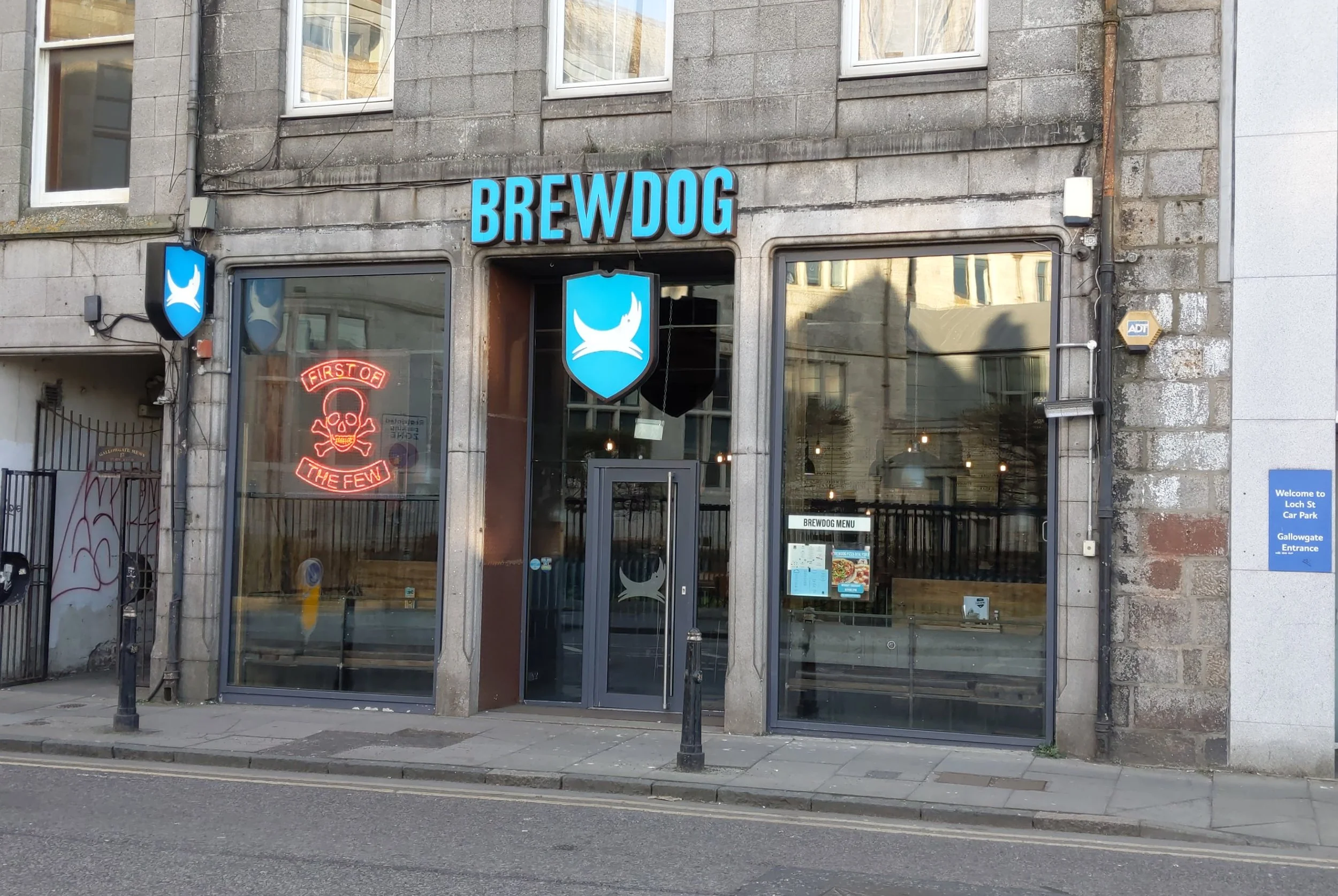
"BrewDog - First of the Few (cropped)" by UltrasonicMadness is licensed under CC BY-SA 4.0
For a while, BrewDog felt like a revolution.
Two Scottish lads, loud beer, louder marketing, and a middle finger pointed directly at the sleepy, beige British beer industry. If you were drinking in pubs in the mid-2000s, you’ll remember the landscape. Safe lagers, safe ales, safe brands that had been coasting for decades. BrewDog arrived with something that tasted like the opposite of safe. Big hops. Grapefruit and pine needles in a glass. A sense that someone had finally kicked the doors in.
It felt rebellious. It felt necessary. It felt like the industry needed a good slap.
And for a time, BrewDog were exactly that slap.
The Myth of the Permanent Agitator
But revolutions have a funny habit of eventually becoming the thing they once claimed to hate. And BrewDog didn’t so much fall as slowly collapse under the weight of believing their own mythology.
Because BrewDog was never really just about beer. It was about attitude. The brand was built on disruption, on being louder and brasher and more confrontational than everyone else in the room. Labels looked like gig posters. Campaigns read like dares. The whole operation ran on the energy of someone barging into a polite dinner party and starting a fight with the host.
At the centre of that was James Watt, who cultivated the persona of the industry’s permanent agitator. In the early days it worked because the craft beer scene needed someone to shake things up. The problem was that the performance never stopped. What began as theatre slowly hardened into personality, and eventually into hubris.
Hospitality is full of founders who confuse the character they created with who they actually are. Once that happens, the guard rails tend to disappear.
Cracks in the Facade: The Bristol Pivot
The first time I saw the crack in the BrewDog mythology was in Bristol.
Back when they were expanding at pace, they opened a bar on Baldwin Street, about a minute’s walk from Mother’s Ruin. It arrived with the usual fanfare: black paint, loud branding, and huge window stickers declaring their slogan in block capitals.
Beer for Punks.
Now Bristol is a city with a very good nose for bullshit, and what happened next was almost too perfect. On the door of this brand new “beer for punks” bar stood a security guard whose job, quite literally, was keeping actual punks out of the place. Mohawks, crusties, the kind of people who might have taken the slogan at face value – not welcome.
Bristol noticed. Within a few weeks the stickers quietly disappeared and the slogan morphed into something slightly safer: Beer for Pirates.
A small change, but a telling one. Because once you’ve seen the machinery behind the theatre, it’s hard to take the show quite as seriously again.
Corporate Giants in Anarchist Clothing
That contradiction sat at the heart of the BrewDog story. They marketed themselves as insurgents long after they had become the establishment. The punk act continued even as the business scaled into supermarkets, private investment, global distribution and hundreds of branded bars.
There’s nothing wrong with that growth, by the way. Every successful brewery secretly wants shelf space in Tesco. But pretending you’re still smashing the system while quietly becoming part of it makes people itchy.
Consumers have a surprisingly sensitive radar for hypocrisy.
Another thing BrewDog never quite grasped was who their audience actually was. The craft beer boom in Britain wasn’t powered by punks or nihilists. It was driven largely by millennials – people who were bored of mass-produced lager and wanted something with flavour, personality and a bit of story behind it. They liked interesting beer and interesting places to drink it. What they didn’t necessarily want was a brand permanently shouting at them in the voice of a 19-year-old anarchist.
The genuinely nihilistic generation had already had their moment. Gen X did the whole sneering rebellion thing decades earlier. Millennials were never really that interested in playing that game forever, and the drinkers coming behind them even less so. The edge-lord persona that once felt disruptive eventually just started to feel embarrassing.
When the Liquid Stops Leading the Story
Then there was the awkward fact that the beer itself stopped being particularly remarkable.
Early BrewDog beers were exciting because they were different. Punk IPA in 2008 felt like the future compared with the lagers most pubs were pouring. But craft beer didn’t stand still. Small breweries all over the country began making better, fresher and often far more interesting beer. The scene evolved quickly. BrewDog’s beers, produced at industrial scale and shipped everywhere, inevitably became standardised. Perfectly drinkable, of course, but no longer the reason anyone fell in love with craft beer.
When the product stops leading the story, the brand has to carry the weight. And BrewDog’s brand increasingly carried a lot of baggage. Allegations from former staff about a toxic culture began surfacing. Grand claims about ethics and sustainability started attracting uncomfortable scrutiny. Marketing stunts designed to keep the rebellious mythology alive began to feel forced.
The problem with building a brand on permanent escalation is that eventually you run out of places to go. Each stunt has to be bigger than the last. Each claim louder than the one before it. At some point the public starts asking the simplest and most dangerous question a hospitality brand can face: is any of this actually real?
Once that question appears, the spell is broken.
The Deficit of Goodwill
A lot of people like to blame “cancel culture” for what happens next when a brand begins to wobble. But cancel culture doesn’t cancel everyone. It tends to cancel the people nobody particularly feels like defending. There are rock stars from the 1960s still touring arenas who have done things far worse than anything BrewDog were accused of. They survive because their art is loved enough that people are willing to forgive them.
BrewDog didn’t quite have that level of goodwill. The beer was good but not sacred, the brand was loud but not beloved, and the founder had spent years cultivating a public persona that many people found exhausting rather than inspiring. When the tide turned, there wasn’t a great army of defenders rushing to hold the line.
And that’s the real lesson here, because the hospitality industry runs on a brutally simple contract. Make something good. Treat people decently. Don’t lie about who you are. Break that contract often enough and the market eventually corrects you.
A Quiet Market Correction
Hospitality is a bloodsport, and the market has a long memory for arrogance.
BrewDog started life as the scrappy upstart kicking the industry awake. Somewhere along the way it became the corporate giant still pretending to be the scrappy upstart. The louder the mythology got, the harder it became to ignore the gap between the story and the reality.
In the end the revolution didn’t die in a blaze of drama. It simply ran out of credibility.
And once that happens in this business, the taps get changed, the fridge space fills with someone else’s cans, and the crowd moves quietly on to the next thing.
No shouting required.